A familiar situation.
Start with something the person recognises and needs to resolve.
HOW WE UNDERSTAND EDUCATION
Everyone brings knowledge, experience and a context.
Understanding these helps us choose how to support their learning.
One person. A task at height.
Different ways to move forward.
Watch what she does.
See how the support changes.
FIRST, UNDERSTAND
Before an inspection from an elevating work platform, she watches a demonstration beside the basket. She connects the equipment with the task and has space to ask questions.
A relatable demonstration, a clear explanation and a conversation about what she observed.
At work: understand the purpose of the preparation before rehearsing it.
We design around people and their context. We talk, recognise what they already know and observe how they act. We combine support to suit each situation.
Try a workplace case ↗FROM A SESSION TO A PROCESS
A learning path can combine short sessions,
practice and support at work.
Start with something the person recognises and needs to resolve.
Decide, explain or perform. Observe what they can do independently.
Recall what was learned, receive feedback and try again.
A guide or support when the task calls for it.
Timing, support and practice are adapted to each context. A short duration alone does not guarantee learning.
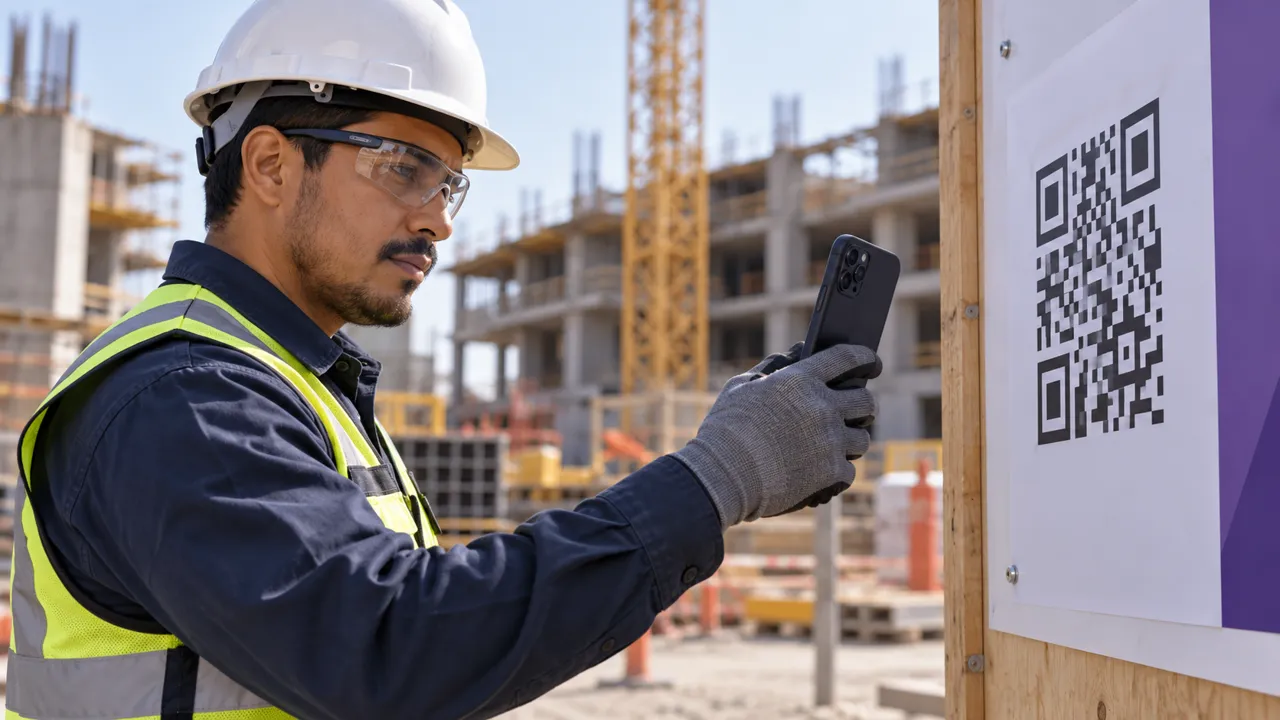
KNOWLEDGE GOES TO WORK, TOO
Microlearning and reference aids can support what has been learned. What does the person need to recall or verify to act?
See learning in the field ↗Illustrative image. A reminder does not replace certification.Explore a learning path without writing objectives from scratch. Workshop in Spanish.